Sustainability has become one of the easiest words to put on a menu. A green leaf in the corner, a sentence about caring for the planet, and the job appears done. Meanwhile, the real version of it inside a kitchen is far less decorative and much more measurable. It comes down to three unglamorous questions: what you buy, when you buy it, and how much of it ends up in the bin.
It Starts With the Calendar, Not the Label
The single most effective sustainable decision a caterer makes is cooking with the season. A tomato in July and a tomato in February are not the same product. One is picked ripe nearby, tastes like something, and costs less. The other has been grown under heat and light it did not have, or transported a very long way, and it usually shows on the plate.
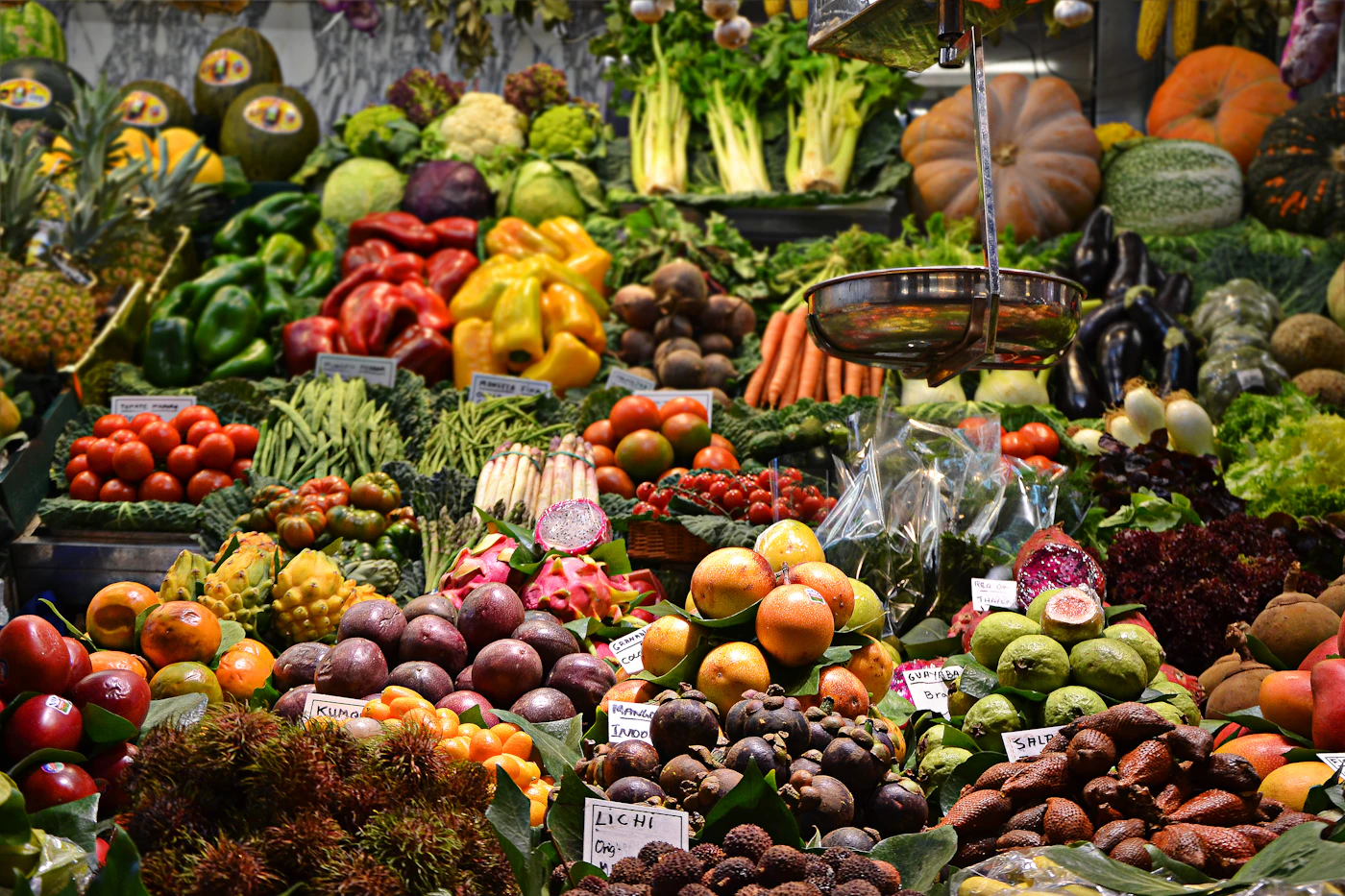
Serbia makes this easy in a way that many countries do not. Right now, in the middle of summer, the market is full of tomatoes, peppers, zucchini, aubergine, cucumbers, peaches, apricots, and watermelon, all of it at its peak and at its cheapest. A menu built around what is genuinely in season is better food, lower cost, and a smaller footprint at the same time. Those three things are usually presented as trade-offs. Here they simply are not.
Local Sourcing Is a Quality Decision Before It Is an Ethical One
A short supply chain means produce is picked closer to ripe and spends less time in transit, which is a straightforward quality argument before it is an environmental one. It also means traceability. When you know the producer, you know how something was grown, you can be consistent from week to week, and you can pick up the phone when something needs to change.
It is worth being honest about the limits of this, because the topic attracts a lot of easy claims. Local is not automatically greener in every single case. A vegetable grown nearby in a heated greenhouse out of season can carry a heavier footprint than one that traveled from a place where it grows naturally. That is exactly why season and proximity belong together. Local alone is a slogan. Local and in season is a practice.
The Unglamorous Core: Food Waste
If you only fix one thing, fix this one. Food that gets thrown away wastes everything that went into it, the water, the land, the fuel, the labour, and then costs money again to dispose of. In catering, waste is simultaneously the biggest environmental lever and the biggest financial one, which is a rare and useful alignment.
Accurate Numbers Before Anything Else
Most catering waste is not created in the kitchen, it is created in the order. Vague headcounts and the reflex to over order just in case are the most common sources of a full bin at the end of the day. Precise numbers, realistic portions, and the discipline to trust them prevent more waste than any clever recipe can rescue.
Cooking the Whole Ingredient
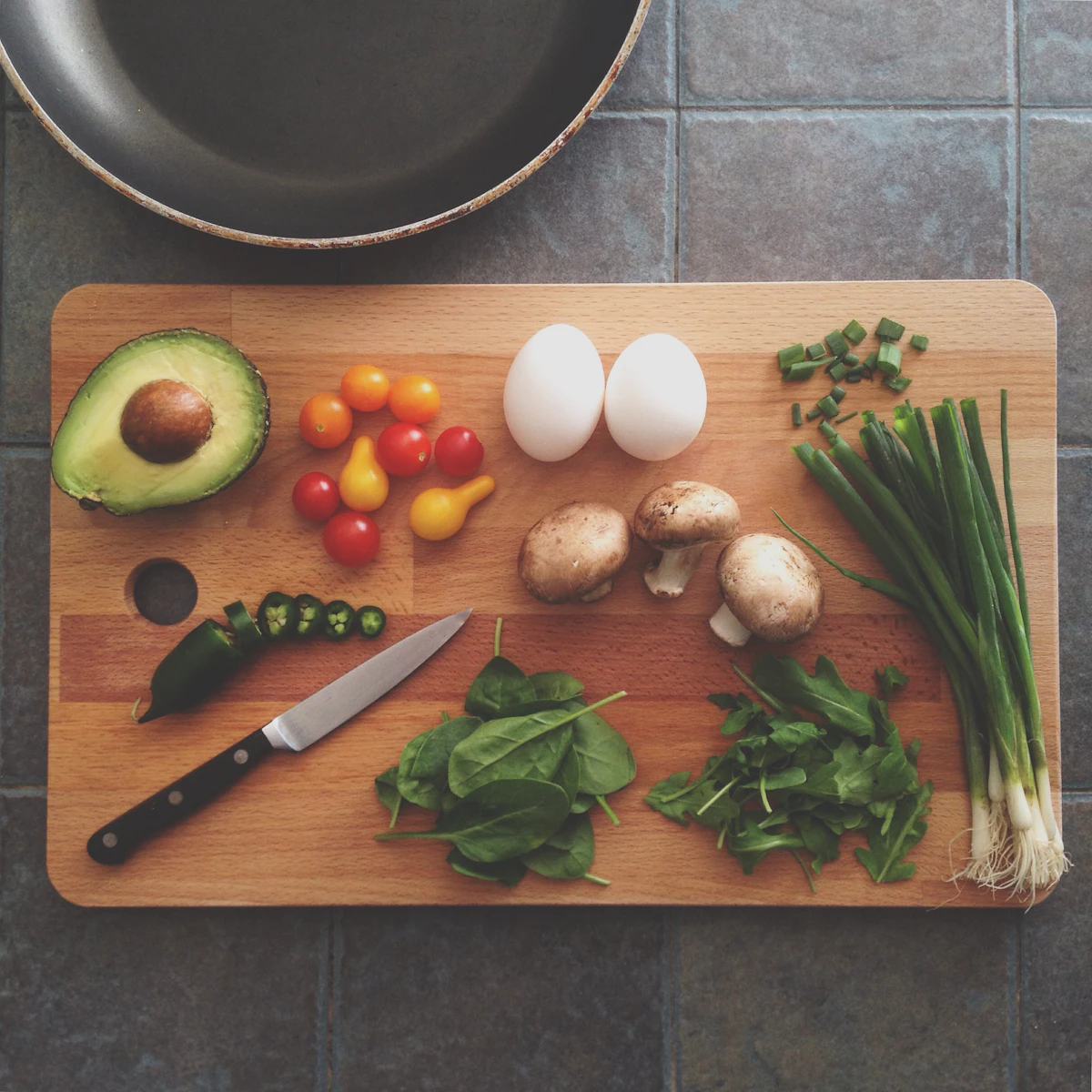
Stems, tops, trimmings, and bones are not scraps, they are ingredients that a rushed kitchen throws away. Vegetable trimmings become stock, herb stems become sauce, day old bread becomes something better than it was. This is not a sustainability gimmick invented recently, it is simply classical kitchen craft, and it happens to be the cheapest version of doing the right thing.
Planning Across the Week
When a menu is planned as a week rather than as seven unrelated days, a surplus stops being a problem and becomes tomorrow's component. Storage discipline, sensible batch sizes, and a plan for what happens to anything left over turn waste from an accident into a decision.
"The greenest ingredient is the one you actually served, not the one you bought and threw away."
Packaging Is Visible, but It Is Not the Whole Story
Reusable containers where the setup allows it, compostable materials where reuse is impossible, and an end to wrapping every single item separately all matter, and clients notice them because they can see them. That visibility is also the trap. Packaging is the smallest of the levers described here, and it is very easy for a caterer to make packaging the entire performance while sourcing and waste stay exactly as they were.
Plant Forward, Not Plant Only
Shifting the ratio on the plate, vegetables and legumes at the centre with meat as one component rather than the automatic default, lowers the footprint of a menu more than almost any other single change. It usually improves the nutrition as well. Note that this is a shift in proportion, not a rule imposed on anyone. Nobody has to be converted, and a good menu still serves people who want meat, it just stops treating it as the only way to build a dish.
What Companies Should Actually Ask
If sustainability matters to your company, the way to test a caterer is with specific questions rather than a look at their marketing. Ask where the produce comes from. Ask whether the menu changes with the season, and to see how it changed last quarter. Ask how quantities are calculated, and what happens to whatever is left at the end of an event. Ask about packaging last rather than first. A kitchen that genuinely works this way will answer in detail and with examples, because these are habits it already has. One that does not will answer with adjectives.
The Bottom Line
Sustainable catering is not a badge, it is a set of ordinary habits repeated every week. Cook the season. Buy close to home. Waste very little. Put vegetables at the centre of the plate. The quiet reward is that food made this way is usually fresher, often cheaper, and simply tastes better, which means nobody has to be persuaded to care about it.
At Swastha Catering, our menus follow the Serbian season, our sourcing stays close to home, and we plan quantities so that food ends up on plates rather than in bins. If that is how your company wants to eat, tell us what you need and we will build it around what is good right now.


