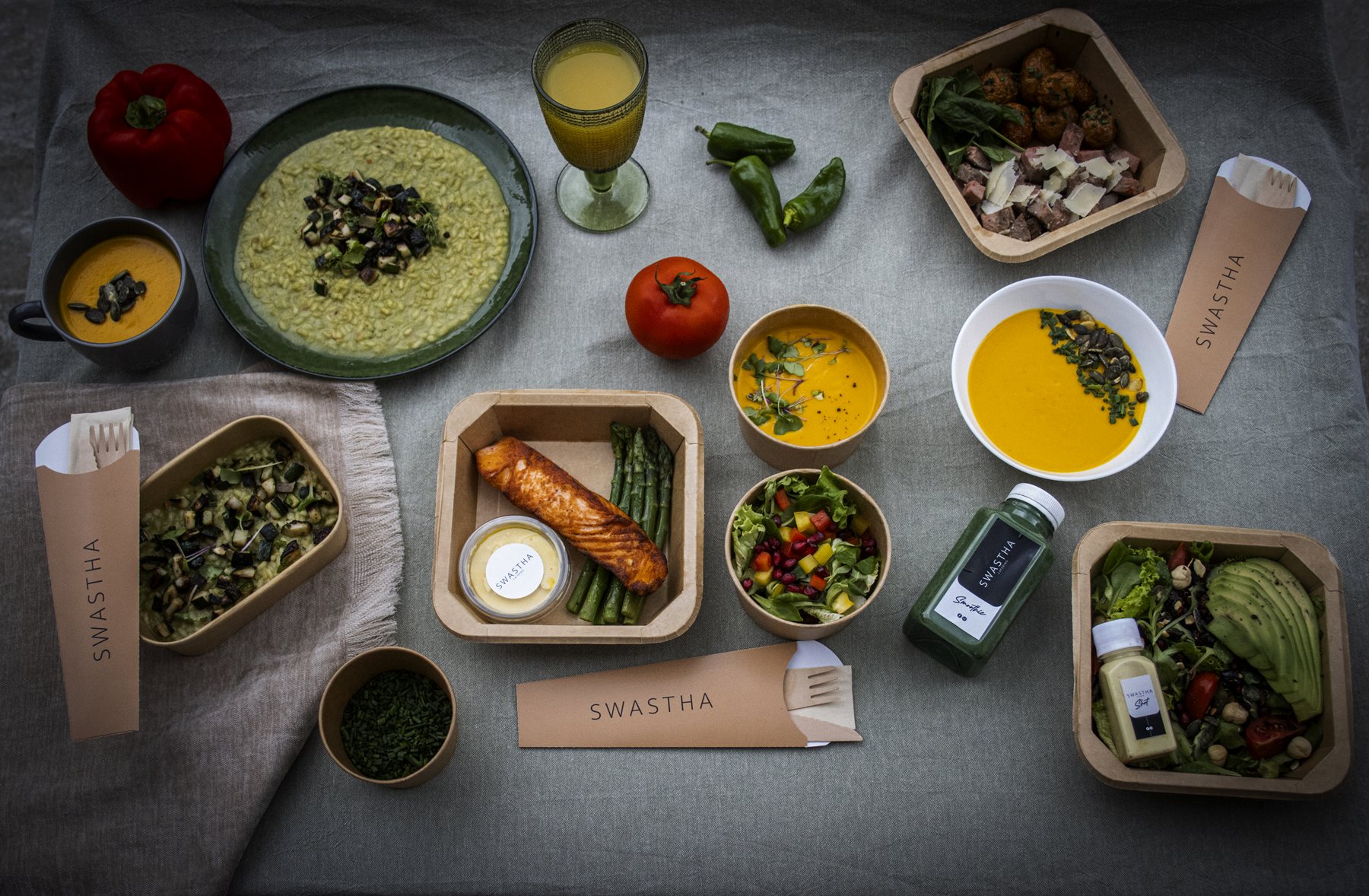
A shooting day is a timetable with a camera attached to it. Everything on the call sheet exists because something else has to happen at a specific minute, and food is one of the few items on that sheet that can either protect the schedule or quietly destroy it. Catering for a shoot is not a menu problem. It is the problem of putting the right meal in front of fifty tired people at the exact moment the schedule allows, and then doing it again tomorrow somewhere else.
The Call Sheet Is the Menu Plan
Give a caterer a call sheet and they can plan the day properly. Call time tells the kitchen when to leave. The first setup tells them how long breakfast really has. The meal break tells them when the hot food must be at temperature, not when it should leave the kitchen. A company move tells them the crew will eat in two waves. Wrap tells them how long craft service has to hold out. A caterer working without that information is cooking for an average day, and there is no such thing as an average shooting day.
Breakfast Belongs at Call, Not After It
Breakfast that arrives after the unit has started is a wasted meal. Most crew eat in the first twenty minutes on the ground or they do not eat until the meal break, which means seven hours of work on a coffee. The food has to be there when the first person arrives, warm, and fast enough to be taken while walking to a setup. What matters at that hour is not variety but presence, and a breakfast that is genuinely there at call time is worth more than a better one that arrives at nine.
The Six Hour Rule
Most sets work on a meal break roughly six hours after the general call, and the discipline around it is not bureaucratic. It is the point at which output measurably drops. Pushing the break to hour seven or eight to catch up a scene almost always costs more time than it saves, because the second half of the day is slower and mistakes multiply. From the kitchen side, the six hour mark has to be treated as fixed, and the food has to be ready to serve at that minute rather than beginning to arrive around then.
Why the Second Meal Decides the Afternoon
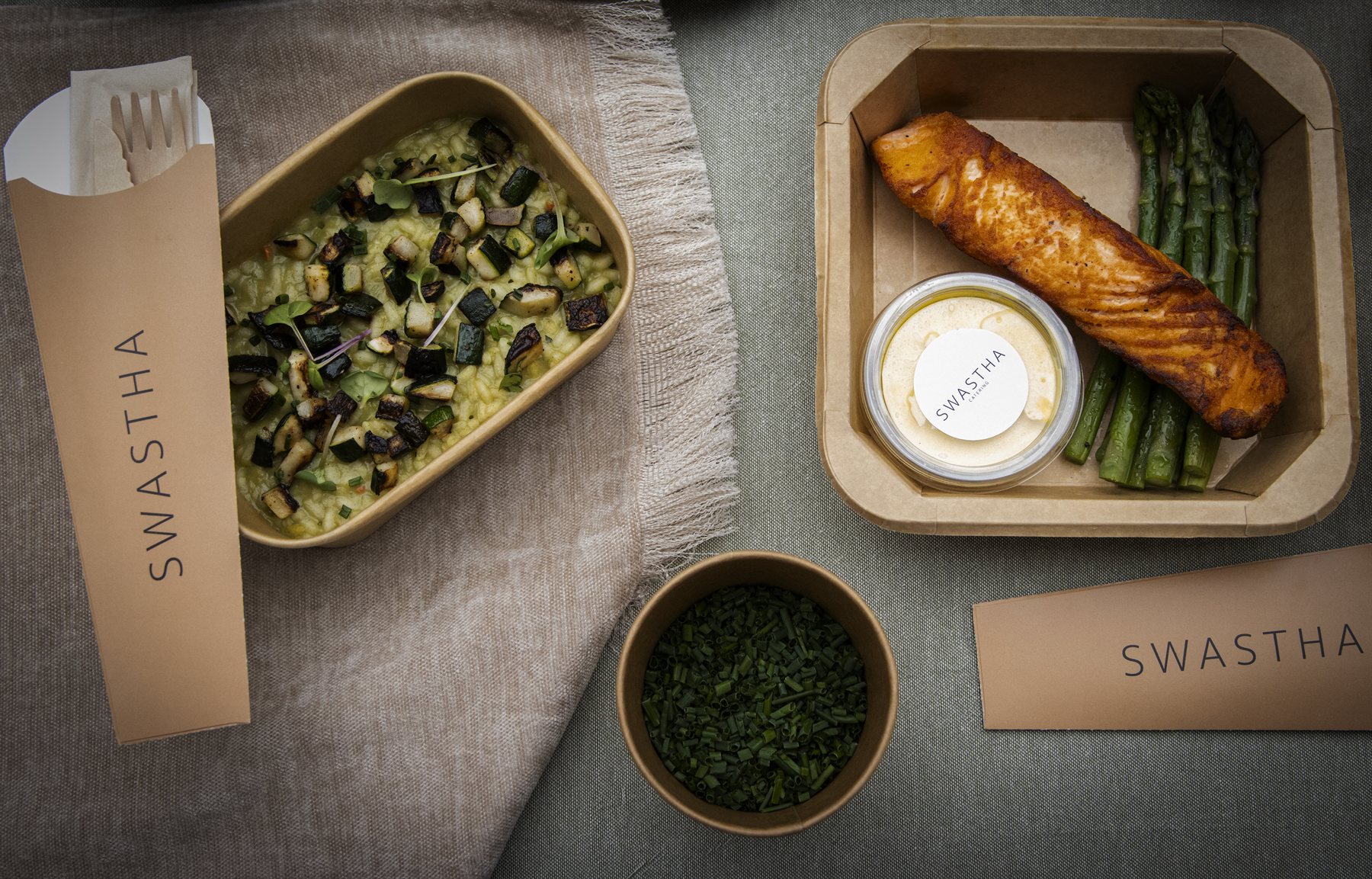
The hot meal in the middle of a shooting day is the single largest lever anyone has over the last third of it. A heavy, starch dominated plate produces a room that is slow for ninety minutes. A plate built around real protein, vegetables and a moderate portion of carbohydrate keeps people level. This is not a wellness argument, it is a scheduling one, and it is the same mechanism we described for offices in our piece on the afternoon energy crash, except that on a set the consequences are measured in setups.
Feeding a Crew That Never Stops Moving
Departments eat differently and the plan should expect it. Camera and sound eat fast and late. Grip and electric eat first, most, and come back. Art department often eats at the wrong time entirely because they are prepping the next setup. Cast eat around makeup and costume. The practical answer is a service window rather than a single moment, plus portions held for whoever is still on the shot when the break starts. Nobody should be punished with a cold plate for being the person who could not leave.
Cast, Extras, and Two Different Problems
Cast requirements are individual and specific, sometimes tied to how someone has to look on camera that week. Extras are the opposite problem: a large number that changes with almost no notice, often arriving as a group at a time nobody confirmed. Those two need to be planned separately. Crew food scales predictably, cast food is bespoke, and extras are a volume question that has to be answered the day before rather than discovered at ten in the morning.
"Nobody praises catering for a day that ran on time. That is exactly what it was paid to do."
Split Days and Night Shoots
A split day moves the meal into the evening and turns craft service into the thing carrying the first half. A night shoot moves everything: the hot meal lands in the middle of the night, warmth matters more than volume, and the third consecutive night is where the food either holds the unit together or stops mattering entirely. Both need to be flagged at the quoting stage, because both change kitchen shifts, transport times and what is realistic to serve. Our guide to the craft service table covers how that table should change after midnight.
What Changes on the Day, and How a Kitchen Absorbs It
Every shooting day changes. The break moves by forty minutes, the count goes up by twelve, the weather turns and the exterior becomes a cover set. A production caterer is judged on that, not on a calm day. What makes it absorbable is a margin built into the quantities, a single point of contact who can confirm a change in one message, and a kitchen close enough to send something extra. What makes it impossible is a plan with no slack in it, which is what the cheapest quote almost always is.
What We Learned Feeding MasterChef and Traitors
We have run catering and craft service for productions including MasterChef Srbija and Traitors Srbija, and the lesson from both is the same. Long formats do not reward a spectacular menu, they reward consistency: the same reliability on day nineteen as on day one, the same accuracy on dietary requirements when everyone is tired, and the same food temperature when the schedule has already slipped twice. Crews forgive a repeated dish. They do not forgive a meal that was not there. You can see the format on our production catering page.
The Bottom Line
Plan catering from the call sheet outward: breakfast at call, a hot meal at the six hour mark, craft service holding the gaps, and a margin for the day going sideways. Choose a partner who asks for the schedule before the menu. Send us your shooting days, crew numbers and locations, and we will build the food around the way your day actually runs.


