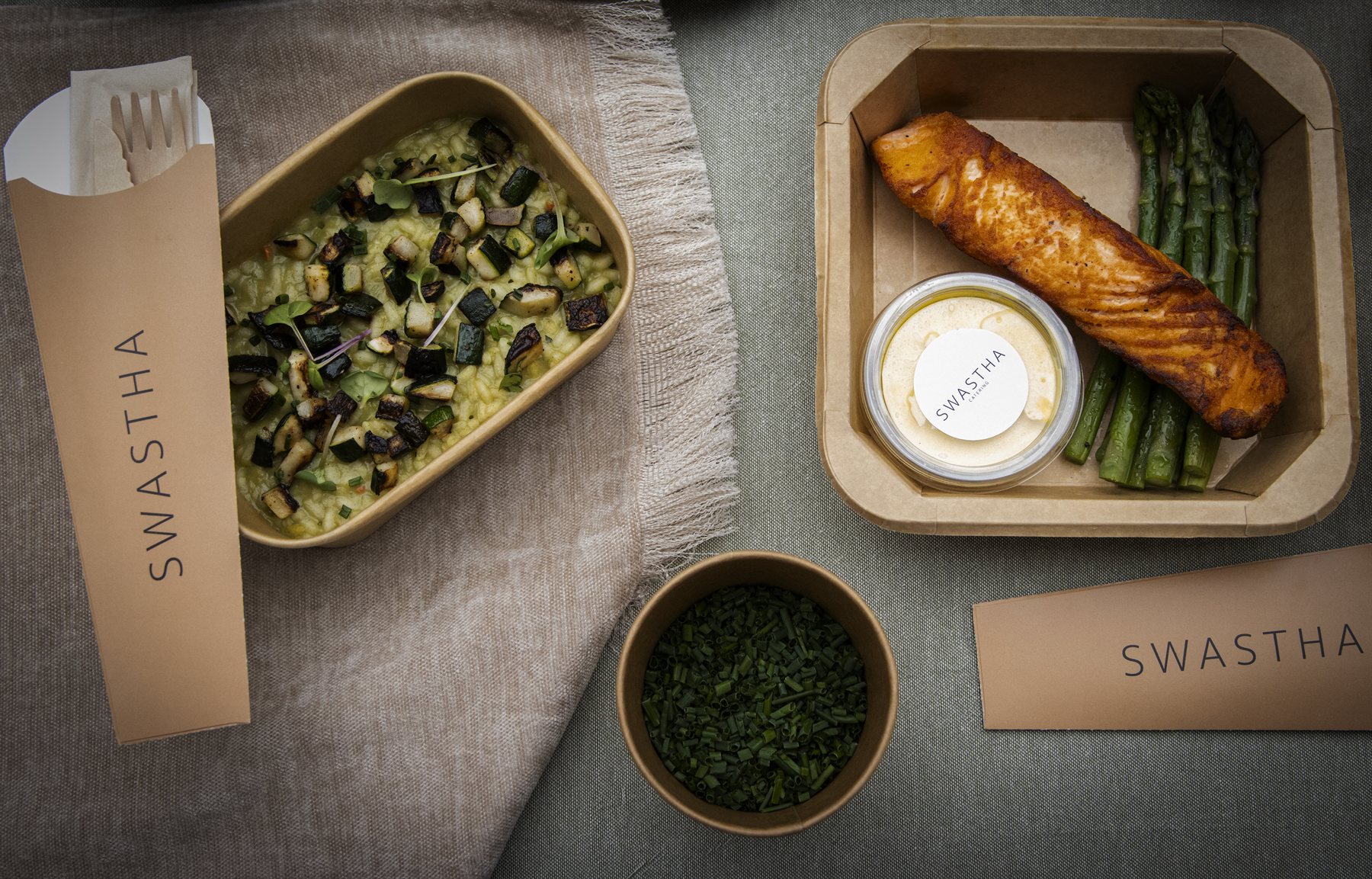
A location is rarely a kind place to cook. It has no kitchen, often no power you are allowed to use, sometimes no road wide enough for a van, and almost always a schedule that does not care about any of it. Sixty people still need a hot meal at a fixed time, and they need it whether the location is a stage in Belgrade, a village house two hours out, or a field in the rain. This is how that actually gets solved.
The Location Decides the Menu, Not the Other Way Around
Producers usually ask for a menu first and describe the location second. It works better in reverse. A location with covered space, a place to set tables and reasonable vehicle access will carry almost any menu. A tight interior on the fourth floor with no lift, or an exterior with a fifteen minute walk from the nearest parking, quietly removes half of what a kitchen would otherwise offer. The menu should be written after somebody has actually looked at the place.
A Recce Is a Catering Job Too
The questions a caterer needs answered are boring and they decide everything. Where can the vehicle stop and for how long. How far is it from there to where people eat. Is there covered space if the weather turns. Is there power, and is it ours to use. Is there running water. Where do the bins go, and who takes them away. Is there anywhere for sixty people to stand out of the wind for twenty minutes. A caterer who quotes a location shoot without asking these has not priced the job, only the food.
Hot Food Without a Kitchen on Site
Most location meals are cooked in a proper kitchen and finished or held on site, which is the only way to get consistent quality and food safety on ground you do not control. That puts the weight on transport and holding: thermal containers that genuinely hold temperature, a departure time calculated backwards from the meal break rather than forwards from the kitchen, and a plan for the stretch between arrival and service. Food that leaves hot and arrives lukewarm is a logistics failure, not a cooking one, and it is the single most common way location catering goes wrong.

Weather Is a Menu Problem
On an exterior in January, soup is worth more than a beautifully composed salad, and in August the same salad is worth more than anything heavy and hot. That sounds obvious and is routinely ignored, because menus get signed weeks before anyone knows the forecast. The practical answer is a menu with a swap built into it: an agreed hot alternative for cold days, a lighter one for heat, and a caterer who is allowed to make that call forty eight hours out without renegotiating the contract.
Packed Individually or Served From a Line
Two formats, two different jobs. A served line is warmer, feels more generous, produces less packaging and works when the unit eats in one place at one time. Individually packed meals win when the crew eats in waves, when people are scattered across a big location, when the schedule is likely to break the meal into three, or when several dietary tracks have to stay clearly separated. On long location days the honest answer is often both: a line for the main unit and packed portions held for whoever is still on the shot when the break starts.
Waste, Bins, and Leaving the Location Clean
Locations are borrowed, and productions get judged on how they leave them. Food service generates the majority of the rubbish on a shooting day, which makes it a catering responsibility rather than an afterthought for the runners. That means bins brought and taken away, separation where it is possible, portioning that does not manufacture waste, and packaging chosen with the local bins in mind. Our piece on sustainable catering goes further into how portioning decides waste long before the bin does.
"On location, the meal is not cooked at the last minute. It is decided at the recce and only finished on the day."
When the Unit Moves Mid Day
A company move is the hardest thing to feed. Half the crew leaves before the meal, half arrives after it, and the break lands in the middle of a convoy. It is solved by planning rather than heroics: meals held for the second wave, packed portions that travel with the trucks, and a service window agreed with the first AD before the day starts rather than negotiated on the radio while it happens. Two moves in one day means the caterer needs to know it at quoting stage, not at seven that morning.
Distance From Belgrade Changes the Plan
Serbia is an efficient country to shoot in partly because the distances are short, but ninety minutes each way still reshapes the day. It moves the kitchen start time earlier, adds a second vehicle for the return, changes which dishes survive the drive, and makes a shop run to fix a shortfall impossible. Productions working far from the city should expect the plan to be more conservative and more complete, because the fallback is the vehicle you brought and nothing else.
What to Tell Your Caterer Before They Quote
Crew numbers, including extras and how they change day to day. The call sheet, or at least the shape of the day. The exact location with access notes. Whether there is covered space and power. How many meals and how much craft service. Dietary requirements, in numbers, honestly. Whether the unit moves. Who is on site to take a delivery when the whole crew is on a shot. Every one of those answers moves the price and the plan, and a caterer who receives them gives a number you can rely on rather than one that grows on the day.
The Bottom Line
Location catering is a transport and timing discipline that happens to involve food. Choose a partner who asks about power, access and bins before they talk about the menu, because those are the answers that decide whether your crew eats hot at the time the schedule says. Tell us where you are shooting and how long, and we will tell you what is realistic on that ground.


